
Planet Money - How to make a BOOK into a bestseller
38 claims analyzed
Transcript(38 claims)
When survivor premiered, it helped usher in a new era of reality TV. The show has evolved over its fifty seasons, and fans have debated changes to the game for years. So what's the best survivor season of all time? We'll get into it on NPR's pop culture happy hour. Listen via the NPR app or wherever you get your podcasts.

This is planet money from NPR. If somehow given everything that's going on in the world these days, you missed it, let me be the first to tell you, Planet Money just published its first ever book. It was the culmination of years of work. We navigated the world of agents and editors and auctions, figured out how to manufacture a book during a trade war and get it to stores around the world from airports to cruise ships. And throughout that process, my boss's boss, my grandboss, Alex Goldmark, he and everyone else involved in the book had harbored this secret fantasy that if we played our cards right, maybe someday this book could reach the holy grail of commercial publishing.
Maybe this book could make The New York Times bestseller list. So it was carrying all those dreams from my grandboss that I recently walked into the office of Planet Money's book editor, Tom Mayer, at the publishing house, WW Norton in New York. I was there about a week after the book launched to witness the moment of truth.

Today is a big day. Today is the day when the bestseller lists are released.
That's kind of as big as it gets, in a way.
Yeah. No. It's sort of scary, in part because you have no idea if you're gonna get anything at all, And we're gonna find out today what the result is.
I've got butterflies.
I'm very nervous.
Over the last week, bookstores from chains like Barnes and Noble down to independents like Carmichael's bookstore in Louisville, Kentucky, they've been logging their sales and reporting them through some mysterious process to an anonymous department inside The New York Times. All day, Tom has been trying to get a sense of how close the book might be to cracking The New York Times bestseller list by nervously checking the sales numbers he has access to.
I sort of feel like on election night when you're counting the votes in, you know, the various counties across the state.
Tom's checking how many copies we sold in independent stores or on Amazon or Barnes and Noble.
You sort of have this constellation of data, but you don't know what else was sold this week. I know what my book did, but there were several other very good books published the same day that the Planet Money book was published. How well did they sell? We have no idea.
The Planet Money book, Tom explains, is facing some extremely steep competition. It's up against New Yorker writer Patrick Radden Keefe's new book, which has been everywhere in the press this week. It's up against a divorce memoir by Bell Burden that's been dominating the list for months. And the way the New York Times would count the Planet Money book sales against those other titles is not really clear.
I mean, the weird thing about the bestseller list is that we have no idea how it's put together. The New York Times is famously opaque. It's like we receive this email that's like the smoke after a papal conclave. That just like, here it is. I'm not gonna tell you how we got to this information, but here's the list.
For most of my reading life, whenever I saw the bestseller sticker on a book cover in the bookstore or saw the New York Times bestseller list in the Sunday paper, I didn't really think twice about it. It seemed like a pretty straightforward idea. The nation's literary preferences had been definitively revealed, and here were the results in black and white. Reader, how very wrong I was. Hello, and welcome to Planet Money.
I'm Alexei Horowitz Gazi. The bestseller list is this massive hype building system with its own rituals and rules and secret codes. And just like any system with potentially millions of dollars at stake, it has inspired legions of would be bestselling authors to try to game it by hook or by crook. Today on the show, the fourth episode in our series, Planet Money uncovers all the ways people have tried to hack their way onto the New York Times bestseller list, and we learned what it really means to be a bestselling author. There will be mass hallucinations, legal exorcisms, shady book launderers, and scarlet daggers.
And we learned the hard way how trying to engineer your way onto the list just might be the thing that keeps you from getting there. Given how big the deal it is to get your book onto the bestseller list, you can imagine there is a whole world of strategy and gamesmanship that publishers and authors use to try to engineer that outcome. To understand those strategies and where they came from and how they might inform the fate of the Planet Money book, I called up a professor named Laura McGrath.
I understand you teach a class that's kind of relevant to the story we're telling.

I do. I teach a class on the history of the bestseller at Temple. And everything that's on the syllabus must have been on the New York Times bestseller list.
And, yes, Laura says there are different kinds of bestseller lists. There's the Publishers Weekly list for Industry Insiders and the USA Today list. But I think we all know there is kinda one bestseller list to rule them all.
So the biggest and the most important bestseller list is the New York Times bestseller list. This is the list that publishers are tracking, that matters most to readers, and that matters most to writers.
And one of the big reasons it matters so much is that The New York Times bestseller list is not just a signal of what books are already selling. It is a major cause of new book sales. Bestsellers get premium placement in bookstores and online.
It's also free advertising for a writer. Yeah. Right? Like, The New York Times puts you on the list. That's an ad you didn't have to pay for.
At least you didn't have to pay The New York Times for. You might have had to pay for it in some other way, shape, or form.
Pay attention to that. That is what we in the biz call foreshadowing.
And what happens when a book is named to a bestseller list is a sort of rich gets richer effect. It has a snowball effect where being named a bestseller becomes a self fulfilling prophecy. Readers now begin flocking to this book because they have been told it is very popular, and it must be popular for a reason.
Now one of the best possible shots that a book has for making it onto the list is during the opening week after launch. It's like the opening box office in Hollywood. The first week is when there's likely to be the most publicity around the book. And crucially, all of the preorders are counted towards that first week of sales.
So big preorder campaigns are not only really important for creating buzz around the book, but also really important for that, like, big first week splash.
The actual number of copies you need to sell that first week to actually break onto the list can shift back and forth depending on the competition. A book could sell just a few thousand copies and eke its way onto the list. But basically, the more you can convince people to buy your book in the opening week, the better your odds. And yet for how prominent this bestseller list is, the actual methodology used to decide which books make it is notoriously secretive. The Times does have a standard statement about the list on their bestseller page.
They explain that it's based on a weekly survey of tens of thousands of bookstores around the country, but the identities of those specific bookstores are not public. There's speculation about where the Times gets its sales data, the way the data is weighted, if at all, is unclear, and the identities of the people who actually crunch the numbers at the paper are not publicized. You're probably not gonna see these people posting on LinkedIn.
My assumption is that these data scientists are operating under, like, rock solid NDAs.
They're in a, like, basement fortress somewhere.
Yeah. I think so.
But what is clear is that with any ranking system with massive economic stakes like this, people are going to figure out ways to optimize around it.
How long have people been trying to game their way onto the New York Times bestseller list?
Oh, for as long as there's been a New York Times bestseller list. People have been doing everything that they can to try to make sure that their book lands on this list.
Laura says you can tell the tale of bestseller hacking shenanigans in roughly four chapters. The first happened not long after the national list began back in the nineteen forties. Within a decade or so by the mid nineteen fifties, these kinds of lists had become so prominent that for some people, they'd come to stand in as a symbol of the mindless herd mentality that defined popular American taste. Foremost among those critics was a man named Gene Shepherd or Shep for short. Was He kind of this eccentric talk radio personality, like an early Howard Stern or Rush Limbaugh.
DJ Shep's radio slot was one in the morning to 05:30AM, and he'd get up to all sorts of weird stuff. Like, consider this clip, which sounds a bit like experimental musical theater.
You are now undergoing a process of exorcism. The next forty five minutes, we will exercise the devils, which have taken over your soul.
Shep would also take listener calls and kinda just riff on whatever came to mind. And one of the big themes Shep would talk about was this divide between what he called the night people, the bohemian types who might listen to his show, and the day people. All the squares who commuted to work every day and turned to things like bestseller lists to guide their taste. So one night, Shep comes up with an idea for an elaborate prank. He enlists the help of his listeners to come up with an idea for a fake book.
He wants to see if they can hype up this fake book so much that the day people would come to believe in it and even treat it like a literary sensation to prove just how silly and mindless this list obsessed culture actually was. He puts out a call on the air for potential titles, and Pierce Shep describing that night from an interview years later.
I'm getting calls from Alaska, and these guys are giving me all these suggestions for titles. And finally, at at 04:30 in the morning, it was getting so late, I said, okay. Okay. I picked the title, and some unknown guy called in this title, I, liberty. I said, now that sounds like a book.
Shep also comes up with a fake author for the book, a guy named Frederick r Ewing, and this whole backstory for him. He's both a former British officer and a scholar of eighteenth century erotica. And then over the next few weeks, Shep's legion of night people go out and start requesting this made up book from bookstores around New York City. And then?
It very quickly exceeds the bubble of New York City, where booksellers in London and Paris and Rome are getting requests for iLiberteine. And this book begins to be discussed as though it were real because booksellers are hearing about it everywhere.
A bunch of bookstores are desperately trying to figure out how to order this book. Other people start pretending like they've read the book to seem cool.
People who are writing in the book review are talking about having had lunch with Freddie Ewing, and and having all of these sightings of Freddie Ewing who's coming to New York to promote his book.
And Right. It becomes a sort of, like, mass hallucination.
Yes. Yes. It's, like, just outrageous, the degree of posturing that develops around this false title. And in that way, iLiberteine really hits its mark.
And in a final delicious twist, because of all this hoopla over iLiberteine, a publisher reaches out to DJ Shepp that year and convinces him to team up with a ghostwriter to actually write and publish the fake book under the name of its fake author. So the buzz around this made up book actually ended up wheeling it into reality, which Shep later said basically proved his point.
The thing was a real comment on the entire structure, the the world of the official list, the 10 bestseller books. Newspapers go for this kind of stuff.
And there is this powerful lesson baked into the whole iLiberteine affair. In the solar system of book publishing, bestseller lists then and now have their own kind of gravitational force, almost like a black hole. The fact that Shep was able to stir up such a frenzy by insinuating all this demand kinda underlines the self fulfilling power of getting onto a bestseller list because popularity begets popularity. Okay. So that was chapter one.
For our next brief stop on our history of bestseller list shenanigans, Laura McGrath says you'll wanna consider the story of author Jacqueline Suzanne. Jacqueline Suzanne was an actress who started publishing novels in the nineteen sixties, and she was this larger than life character, super charming. Here's an interviewer asking Jacqueline Suzanne a question on a TV show called Good Afternoon about her public persona.
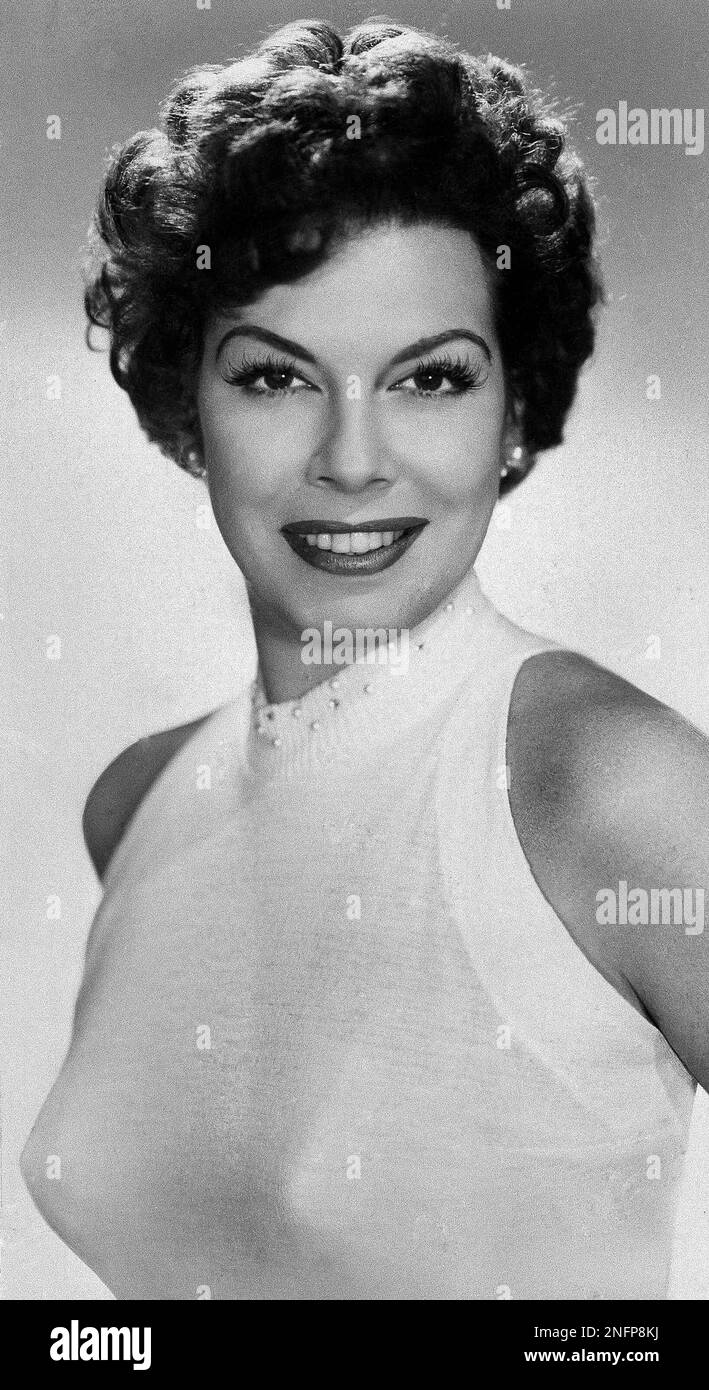
You have the reputation, tough, cynical, Jackie Suzanne. You know what I mean. I'm not tough at all. I think they regard they they mix a novelist with a novel. In other words, if I'm writing about a tough, cynical lady, they say she must be tough.
But if I did all the things that my heroines did in my books, I'd be in a glass jar at Harvard on display.
Most importantly for us, Jacqueline Suzanne is credited as one of the pioneering tacticians of the modern book tour, you know, going out across the nation and generating book sales through live author events. But also maybe even more importantly, Laura says when Jacqueline Suzanne was about to come out with her debut novel, Valley of the Dolls in 1966, she directed her charm offensive at a new target. She started cultivating close friendships with the booksellers in different cities.
So what Jacqueline Suzanne was able to do through these relationships was figure out which are the bookstores that were reporting to The New York Times. Right? What are the stores that The New York Times is counting? And she directed her readers, and and she herself purchased books from those retailers to ensure that there would be a really big splashy first week sale.
And Jacqueline Suzanne's strategy here really appeared to have worked. Valley of the Dolls went on to become number one on the New York Times bestseller list. For years, it held the Guinness World Record for best selling novel of all time, and it was turned into a hit movie. And I think the thing that Jacqueline Suzanne's story reveals about the New York Times bestseller list is the importance of sales at particular bookstores over others. And it suggested that there were ways that authors and publishers could try to engineer their way onto the list by playing this sort of geographical sales game.
Okay. So that is Tales from the Bestseller List chapter two. For chapter three, we turn to an episode that has haunted the literary world since it happened. We turn to the strange case of William Peter Blatty. Blatty was the author of the 1971 book, The Exorcist, later adapted into an iconic movie.
Here he is talking about a notorious scene in the film.
The turning of the head was a subject of great discussion between myself and the director, Billy Friedkin. I tried to explain to Billy that a head cannot turn 360 degrees. It falls off. Supernatural does not mean impossible. But, nevertheless, I was wrong.
The audience loved it.
I wouldn't say everyone in the audience loved it. In fact, some of us have yet to recover from having watched it as children. Thanks a lot, Dan. But, anyway, in the early nineteen eighties, Blatty published a sequel to The Exorcist called Legion. In the weeks after its release, Blatty saw that he had not made the list and came to suspect that he was not getting a fair shake from The New York Times.
You see, Blatty inferred from the 84,000 books his publisher distributed that his new novel had sold well. It was on other bestseller lists. So he thought he'd likely sold more copies than other books that had appeared on The New York Times bestseller list. So what does William Peter Blatty do, you ask? Well, he does what any red blooded profit seeking American novelist would.
He files a lawsuit.
The problem for Blatty, what he alleges, is that by excluding him, The New York Times has cost him millions of dollars in profits. And that not only is it just like the the profits of the book sales, but that he loses out on a lucrative paperback rights deal. He's potentially missing out on movie rights. And so he sues The New York Times for damages.
We love that argument.
Love it. Love it.
The power of profit compels you. The New York Times, for its part, does not take this legal battle lying down.
The New York Times makes the argument that their best seller list is, protected speech, that it is editorial content. Right? That it is not purporting to be accurate, that it is not saying that it is a transparent statistical accounting of what is actually selling the best, but that they cannot disclose either their sources or their methodology, that that's all protected. And so the lawyer for the New York Times argues editors are entitled to edit, and The New York Times is entitled to have its own bestseller list.
The Times argument suggested that Blatty had just kind of fundamentally misunderstood what The New York Times bestseller list actually was. It wasn't just a reflection of raw sales. It was a journalistic process. The Times was essentially reporting out different sources of sales data and using a secret formula to parse that data and come up with their definitive assessment of which books had, in fact, sold the best.
And the courts ultimately rule with The New York Times that this is editorial content, and therefore, is protected under the First Amendment, and Emblatti does not have a case.
As you can imagine, for readers and writers and publishers around the country, and honestly for me when I first learned about this, this ruling was absolutely head spinning, not unlike the head of Linda Blair, the demonically possessed protagonist of The Exorcist. The tale of William Peter Blatty revealed something about the list that hadn't been clear before, that even if a book seemed like it might have sold more copies than some of the books that did make the New York Times bestseller list, that book still did not have a guaranteed place on the list because the list is based on a kind of secret formula that the courts ruled the Times did not have to disclose. Okay. Let's do a quick recap. In chapter one, we learned about the power of the bestseller list in the literary hype machine.
In chapter two, we learned how authors could optimize their book tours and sales efforts around stores that specifically report to The Times. In chapter three, we learned that the list is a journalistic product based on a secret formula and protected by the First Amendment. All of which brings us to the fourth and final chapter in our bestseller history. By the modern era, Laura explains, gaming the bestseller list had become so lucrative and pervasive that it had spawned its own little cottage industry based around one hack in particular.
So one of the ways that people, especially in nonfiction, will very frequently try to hack their way onto the bestseller list is through bulk sales.
Bulk sales. So instead of trying to get an organic grassroots wave of real flesh and blood readers to go out and buy your book, Laura says some authors might instead use the resources and institutional sway at their disposal to juice those sales more directly.
If you're a politician, say, you might ask your super PAC to do it. If you are a minister, you might ask your megachurch to do it. If you are a business leader, you might hire a firm to run a campaign for you that will purchase large enough quantities of this book that you are almost guaranteed a spot on the New York Times bestseller list because of how many copies this firm has purchased for you or your super PAC or your church.
Laura says the blueprint for this strategy was exposed back in 1995 when a couple of corporate business influencer types or bizfluencers published a book called The Discipline of Market Leaders. After its release, it came out that the authors had somehow figured out a way to essentially buy massive amounts of books themselves in order to boost their sales and get on the list. It was a pretty big scandal for The New York Times.
It exposed the faults in their system that it could be hacked, you know, in the same way that, like, the Louvre looks really bad when people can just walk in and steal stuff. Like, it wasn't a good look for them.
But The New York Times did find a way to strike back at would be list hackers. That same year, the paper introduced a new tool to combat and sort of call out these tactics whenever they could be detected.
So they begin adding a, little figure called a dagger to the side of books that have been purchased using bulk sales. It's like a little buyer beware symbol.
They add an actual, like, dagger next to your name on the list?
It's like an asterisk arrow cross thing. It's it is called the dagger colloquially.
It seems almost a little cool. I'm like, it's kinda metal.
It is not a badge of honor, though.
It is a mark of shame. Right.
This is like a this is a scarlet dagger.
Yes. Yeah. Yeah. Yeah.
Before reporting this series, I personally never noticed any daggers when perusing the Sunday New York Times. But once you know, you kinda start seeing it frequently on the list. Because despite the risk of becoming a literary pariah, Laura explains the discipline of market leaders fiasco was merely one of a recurring cycle of bulk buying scandals over the last couple decades. In large part, because of the economic benefit of being able to call yourself a New York Times bestselling author in your bio, some authors might find it worth the risk.
Yeah. Non fiction authors who have made it onto the New York Times bestseller list can charge more in their speaker fees. So if you are a business writer, right, you are in the thought leader space, you are going and speaking at conferences, or you are getting hired to be a consultant, being stamped with the New York Times seal of approval means that you can charge people more money to hear you say that idea in a different context.
It's a kind of like a brand endorsement.
Right. Right.
I actually talked to some folks in the thoughtfluencer space about all this on background. They understandably did not want to reveal themselves. But, basically, the strategy to try to bulk buy your way onto the bestseller list without incurring the shame of the scarlet dagger is this. When you are a bizfluencer and you have a new book coming out, what you do is you book as many fancy speaking gigs as possible around the time of your book release. Maybe you line up a talk at a corporate retreat at Google or Microsoft or speak in an accounting convention.
And instead of taking your usual, you know, $20,000 speaking fee, you instead ask the company to buy a certain number of your books. One of these authors told me, sometimes a company will ask, like, you're asking us to buy way more books than we have employees. What are we gonna do with an extra thousand copies of your book? And the author told me they'd essentially say, I don't care if you burn the books. As long as those sales are logged, that is kinda your problem.
Of course, a huge key to this whole scheme is that the authors have to be very careful not to tip-off the mysterious data crunchers at the New York Times bestseller department. So what they'll do is hire a specialized firm to essentially launder their bulk book purchases. One of these shadowy companies will then go to the trouble of identifying the bookstores that likely report to The New York Times, and they'll use the author's money to buy the books in small enough batches to not trigger any bulk sales alarms. In total, this strategy can cost tens or even hundreds of thousands of dollars. And after all that, there isn't any guarantee it'll work.
Remember, The Times uses its own top secret methodology to determine which books make the list, and authors who engage in bulk buying run the risk of getting found out and potentially earning that scarlet dagger next to their name on the list. Now The New York Times has the reputation of playing extremely close to the chest about the inner workings of the bestseller list. Didn't expect them to wanna talk to us for this story. But just a couple days before we went to air, when we reached out to the Times, they agreed to hop on the phone. So we spoke with assistant managing editor Patrick Healy, who oversees standards across the newsroom, including the bestseller list team.
Are you like the great great grandboss of the people who are putting the list together?
Maybe like a kindly uncle who cares a lot about details. Patrick says the paper is fully aware of the many shenanigans that authors have occasionally employed in an effort to backward engineer their way onto the list.

We know that gaming does go on. People try to attempt to influence their ranking on the list, but we have a lot of steps in our process in terms of the analysis that we do with that confidential reporting from booksellers.
Patrick says the system The Times has developed is able to identify those cases, and they communicate their findings to readers with tools like the dagger. Now he did push back on the characterization of their methodology as some kind of secret formula. To him, a formula sounds a bit too simple. He says the bestseller list methodology captures the majority of book sales across the country.
It's based on data. It's not based on personal preference or a person putting their thumb on the scale. Our bestseller list has nothing to do, for instance, with our book review or whether a book has been assessed by one of our critics. Our editors on the book side aren't involved in the bestseller list. And because we want the lists to reflect organic demand, we're really focused on that rigorous application of our methodology so that our audience believes in the list, trusts in the list, comes back to the list every week.
The bestseller team collects all that data and does extensive analysis, Patrick says, in order to fulfill the core purpose of the list, in order to accurately reflect the nation's literary tastes to itself. It's a way to give book buyers an unbiased picture of what might be worth reading according to what their fellow readers have chosen with their wallets. Now maybe it goes without saying, but when it came to the Planet Money book, neither my grandboss Alex nor the publicist at Norton seemed all that interested in engaging the services of a gray market book launderer and risking that reputational dagger. Luckily, Laura told me there are more traditional ways authors often try to up their odds at getting onto the list, mostly aimed at juicing those crucial presales numbers.
They might launch preorder campaigns where they are speaking on podcasts, and they are targeting newsletters, and they're doing everything that they can to generate buzz around their forthcoming title. They might launch giveaways.
Sweeten the deal a little bit.
Exactly. With, like, some really fun merch. So there's some cute things that you can get. Other times, it's just reach out to your network and get them to buy copies of your book.
Alright. So coming up with some fun merch and media campaigns to convince people to buy the book early. Noted. And then Laura told me there was one other major way that authors often try to boost early sales momentum.
So you are going on book tour. You'll be going all around The United States to tour the new Planet Money book. Instead of asking for people to register and purchase a ticket to come see you speak Yeah. You could ask for people to buy copies of your book instead.
Interesting. Okay. We could make the ticket price actually the book sale.
You could. You could. Yep.
That wouldn't necessarily count as somehow gaming the system to get a bulk buy.
If readers were genuinely buying independently or if this was going through independent bookstores, I I don't think it would count as a bulk buy. No.
Okay. So maybe a way of sliding through under the dangling dagger.
Yep. You could you could do it.
Something I'll have to tell my
grandboss about. After
the break, Alex and the folks at Norton come up with a plan to take the book on the road. We've learned the hard way that even the best laid plans of podcasts and publishers can often go awry, and we find out whether the Planet Money book will make the best seller list. Okay. So as we have learned, the strategy for trying to make it onto the best seller list is about manufacturing a sequence of buzzy media hits, juiced up preorder sales, and in some cases, live events meant to spur early sales, all perfectly timed around the moment a new book is launched. And the person in charge of trying to engineer this celestial alignment for the planet money book is a senior publicity director named Rachel Salzman.
Rachel works at Norton, which is the publisher of the planet money book, and I should say a financial supporter of NPR. Rachel started putting together a plan for how to launch the book about a year ago because getting the timing right is key.

Because you know that if you do all these things in sequence close together Yeah. That is kind of how you leverage yourself onto the list. This is all supposed to help the book get off the ground and achieve liftoff.
Do you think of books as rockets?
My first boss, at my first job, used
to walk up and down the hallways all the
time saying, it's not rocket science.
It's a form of rocket science.
Am I allowed to say no comment?
It is Rachel's job as a book publicist to try to shape the narrative around whatever book she's working on. And out of all the people I interviewed for this series, she might have been the most nervous about revealing too much of the inner workings of the publishing industry. When you heard we were gonna report about this, were you like, oh, man?
I mean, like, it's not always fun to have to share how the sausage gets made.
The thing Rachel seemed most on edge about were my questions about how to engineer a bestseller. Norton does not wanna bite the hand of the bestseller list that feeds it. And, also, Rachel was clear this isn't something you can engineer, though there are ways to maximize your odds. Now the first big part of trying to create a bestseller is publicity. You know, getting your book into the zeitgeist by going on TV and radio shows.
That job used to be simpler when the media landscape was less splintered. And these days, publicists also have to focus on finding niche audiences on podcasts and book talk. Luckily for the planet money book, NPR itself is still one of the major platforms where publishers try to spread the word about their books to everybody else. That was, of course, one big factor in Norton's decision to spend over $1,000,000 to buy the book in the first place. The fact that we have been reporting this very series meant that hundreds of thousands of people would hear about the book, in addition to other NPR shows that might talk about it.
Now the second major part of trying to create a bestseller is getting as many preorders as possible. Because all of the copies you can convince people to preorder in the months before launch, they all get counted in the first week of sales. So the big challenge before Rachel and my grandboss Alex is how to persuade people to buy the book before it's out. Alex says they also started planning their preorder strategy nearly a year ago.
Norton talked a lot about how important presales were, which is why the book goes on presale six months before launch day, which seemed crazy to me.
Yeah.
And they have, like, a sequence of things you do because the presales start to snowball.
Most importantly, they had to come up with an incentive for people to buy the book early, a little treat to make it worth their while. Alex and the marketing team at Norton eventually settle on offering a poster based on our laws of the office episode. It was sort of a visual parody on those OSHA style workplace posters and was almost designed to be included with every book until it ended up being too expensive. So six months before launch day, Planet Money announces this incentive, and pretty quickly, the preorders start rolling in. While that's off to the races, Rachel and her team are figuring out the other big part of the plan, using a live event tour to juice our opening week sales.
Book tours, Rachel explains, are generally less common these days, in part because they used to be a chance to appear on local TV and radio shows to drive buzz. But as more local media outlets have shuttered, that benefit of the book tour has dwindled. And also because traditional book events where an author does a reading and signs some books at a store do not necessarily translate into enough sales to justify the cost of flying an author around the country.
If you have an event in a bookstore and people just show up to hear someone give a talk or a reading, they might buy a copy of the book there, or they might just be like, hey. It was great to hear that person give a talk and then leave.
But Planet Money, Rachel explains, had a big advantage here. First, Planet Money has listeners all over the country, and it could presumably put on a live event that could draw in paying crowds.
It's a show. You guys have a show, and you have done a live show before. Right? So, you know, when Alex Goldmark, the grand boss, and and Tom Eyre and I talked about what a book tour might look like, I think we all agreed that putting on a show would be really great.
Alex and Rachel started figuring out which cities Planet Money might wanna visit based on where the show has a lot of listeners and where Norton has existing relationships with theaters and independent bookstores. Alex and Rachel also had a couple ways they might structure the business side of these events. They could do what we almost always do with live events. We partner with a venue, NPR gets some of the ticket revenue, and the venue gets some. And then we could try to sell books at a merch table before and after the show.
Alternatively, we could instead do the thing that Laura McGrath, who teaches that class on the history of the bestseller, told me about. We could make tickets include a book purchase. Rachel, of course, knows about this model.
That model is great because then you have a guaranteed book sale. So in theory, if you sell a 100 tickets, you've sold a 100 books.
In this model, NPR wouldn't make any money, but the venues would get a cut of the ticket sales. Norton would make money with each book sold, and each book sale would go through an independent bookstore. And do we have any
sense of whether these bookstores might be reporting their numbers to The New York Times bestseller machine?
Most of the stores report to the bestseller lists. That's exciting. I'm not sure what else to say about that.
Now for my grandboss Alex, committing to this strategy would be a bit of a gamble. Planet Money host would have to do a bunch of work to come up with live segments and go out and perform them. And even after hopefully packing theaters around the country, NPR wouldn't be getting any cut of the ticket sales. But when it came down to it, Alex understood that this live event strategy was likely Planet Money's best shot at making the best seller list. So he decides to do a national live tour where a big chunk of the tickets at each venue will actually include a book purchase.
Because those tickets, if purchased before the launch, would count as preorders. That could potentially mean thousands of copies that would go towards that crucial first week of sales. It would turn the tour into a book selling machine. With that, everyone at Planet Money springs into motion, coming up with live stories to tell on stage. But as the weeks and then months start to tick by, ticket sales are going kinda slow, especially in some cities.
And it looks like putting our eggs in the ticket to book sale basket might be less of a slam dunk than Alex had imagined.
I think we'll be okay in most of the places. And then there is a couple other ones where the last time I checked, I just had a, like, a panic attack that it's gonna be so sad to look out at how many empty seats there are. I think the nightmare catastrophe is that nobody buys the book. Like, oh my god. If we put three years into this and just, like, nobody buys it and it's a flop and it's forgotten in three months, that would make me really sad.
Yeah. I would know I wasted a lot of time.
Years of my life. Yep. Alex starts plastering specific cities with ads and promos, and eventually, ticket sales do pick up. And in what feels like the blink of an eye, finally, the moment of truth arrives. On Monday, April 6, Planet Money launches a 12 city book tour with an event at the 92nd Street Y
in New York. Tonight, live from New York, the Planet Money book launch.
The next day, Tuesday, April 7, this book that has consumed so many of our collective waking hours over the past several years finally launches at bookstores around the country. But just as all the brand new books start arriving at the homes of the couple thousand people who did preorder the book, a problem arises.
When did you first become aware that there might be some sort of wrinkle with our preorder strategy?
On publish day. Like, I think they were, like, nearly instantaneous.
Since the moment the book launched, Alex had been feverishly refreshing the book's page on Amazon to check our rankings and our reviews. And pretty soon, he notices a pattern.
If you look on Amazon, like, the first comments are not people talking about the book. They're talking about the poster.
Specifically, the absence of the poster.
Yeah. Like like, there's a couple one star reviews, which, you know, is sad, of course. But they say things like, book looks great. Can't wait to read it. But the poster didn't come.
Yes. The poster. A few days after launch, somewhere around a third of the Amazon reviews for the Planet Money book are one star reviews. The problem had to do with the highly touted laws of the office poster that Planet Money and Norton had used to convince people to buy the book early. You see, due to the complexities of shipping and printing logistics, it just wasn't possible to ship the poster with the actual book.
It had to be printed and sent separately. And, apparently, the process Planet Money came up with, that people who ordered the book early needed to fill out a separate form to get the poster, that message did not make it to a lot of people who preordered the book. And so they took to Amazon to complain. But when my grandboss Alex sees this, yes, he's worried about how to get people their poster. But he's also wondering about how this slew of one star reviews might affect would be book buyers during this crucial first week.
So then on the day that everybody's gonna go to Amazon to maybe buy the book because it just launched, they see the lower rating, which is just like, oh, what a bummer. And, like, is this stopping people? Are people gonna go down and look at what the reviews are bad about or just think the book is bad somehow?
And when a steady stream of disgruntled messages starts to hit the Planet Money email inbox too, we start to wonder whether we might have just risked alienating some of our most faithful fans and scuttled our efforts to get on the bestseller list in one fell promotional faux pas. Alex shifts into problem solving mode. He scrambles to throw a promo in the feed, apologizing and giving listeners instructions for how to now get the poster. And with that, Alex gets back to pounding the book publicity pavement to try to get as many sales as possible during this all important first week and hopefully get this book on the New York Times bestseller list. He and Alex Mayassi head out on tour, meeting different Planet Money hosts and special guests in new cities every couple of months.
Hello, and welcome to the Planet Money live show. We
went from coast to coast.
I'm so excited to be in Boston. By the way,
I'm in San Francisco. What's going on?
Can we say hello, Seattle? Is that a thing we get to do on book tour? Hello.
And between all these live shows, Planet Money hosts are going on every radio show and podcast that'll have us.
Aloha. Mahalo for joining us here on the conversation. Hawaii talks. The NPR show Planet Money money are here to help with their first ever book.
Welcome to the local talk show side of WNYC. Hi.
Hi. We're honored
to So people are still reading books?
Absolutely. We think so. This is the radio and they read books.
The first week after launch is a blitzkrieg of Planet Money book publicity. All of which brings us back to that Wednesday afternoon when I walked over to Norton's office in New York to find out whether we would ultimately make the best seller list. It's eight days after the launch of the Planet Money book when I meet up with our book editor, Tom Mayer. I arrive a few minutes after 4PM shortly before the New York Times usually sends out the latest bestseller list for the week. And surprisingly soon, a little group of people led by Rachel Saltzman come and knock on the door to his office.
There's people here. We have news.
What? The news
We have news.
We have news. We have
a laptop.
Bestseller news.
Bestseller news. Okay.
What do we got? What do we got?
What do we got? We've got number three on the print hardcover nonfiction list.
Oh my god. Yay.
Oh my goodness. This is really This
is fantastic. Woah. Fantastic news.
This is better than I thought we'd do, honestly.
Top three is a great result.
This is really, really exciting.
The publicity strategy seems to have worked. Thanks in no small part to all the listeners out there who preordered the book or came out to see a live show. Tom says next, it's time to call up the book's author, Alex Maiosi, and my grandboss, Alex, to deliver the good news. They were both out traveling on the book tour.
We have published a New York Times bestseller.
Congratulations.
We are number three in general non fiction. What? We are also number three in the combined print and e book bestseller list which doesn't always happen. We have done very well.
Wait, we're number three?
We're number three.
Oh, man. I thought we were gonna, like, skirt by just at the bottom in the in the best case scenario. Wow.
You're like a bronze medal?
What's happened? I don't know what
No. It
feels like a gold medal.
A medal that might translate into actual gold or revenue at least because being anointed to the bestseller list means Planet Money can now call itself a bestselling author podcast. Tom says Norton can put New York Times bestseller in every ad they run henceforth.
It's a big help for the book.
It lets us reapproach accounts and say, hey, this book was a bestseller. You know, we should keep it in your store longer. You should bring it back for the holidays. You should put it on your bestseller shelf. We can advertise the book in new ways.
And so it's a chance for us to reach a larger audience, and it gives us new momentum as we continue to sell the book.
Finally, it was time to get back to the central mission of basically every Planet Money series, to follow the money. When I asked Tom about what reaching the bestseller list might mean for Norton's investment, he tells me that in the book business, they often don't get a full financial picture until years after a book is published.
All books have a pretty predictable sales trajectory where they go up and then they eventually decay over time. The higher you can start, the farther that tail goes. So having a New York Times bestseller, having a book that's sold a lot of copies to start is a great place to be.
Okay. So the snowball has kind of started to roll now.
That's what we hope. That's what we hope.
Getting to profitability on any given book, even a bestseller, could involve multiple print runs of the hardcover version and then the paperback edition after that. And in the case of the Planet Money book, it's also going to roll out in the academic market as part of courseware and classrooms. As for the million or so dollar advance that Norton paid to NPR, that money was to be doled out in four installments. Each time, the book agents got their commission, usually around 15%. And so far, NPR has gotten three installments.
And then we spent a lot of it on, like, writing the book, paying Alex Mayassi, the travel for the reporting, the illustrators. We hired a fact checker, which, you know, you have to hire your own fact checker out of your advance. But NPR made money.
If the book continues to sell well enough to cover that initial advance, NPR will start to receive royalties on every additional copy sold, often around a few bucks per hardcover. And selling enough copies to start receiving royalties is relatively rare. Even hitting the bestseller list isn't a guarantee of earning out your advance and making a fortune. But if the Planet Money book keeps on selling, the show might even be tempted to do another book. Because having now reached the bestseller list
It might make it easier for us to get a second book deal if we decide we want to do that, and we maybe get more for the advance, I think. Like, I I don't know, presumably. Right?
Is it finally time to pitch 50 Shades of Green?
How about this? You go run the plot summary by HR. And if they sign off on it as something you can send to your colleagues to edit, I will, I will seriously consider it.
You got a
deal. Such a pushover.
One final note on all of this. As of today, the Planet Money book has actually fallen back off the bestseller list. There's apparently no stopping Nina Dine. But, you know, once a New York Times bestselling author, always a New York Times bestselling author? In any event, after having gone on what feels like a whole Homeric odyssey of reporting on the publishing world through the eyes of the Planet Money book, suffice it to say that it's changed the way I see all sorts of things.
Now whenever I pass a bookstore window and see the books on the shelf, I can't help but give them a little salute just for having survived this truly Darwinian struggle. When I see that little New York Times bestseller sticker on the cover of a book, think I of all the machinations, both dastardly and wholesome, that earned them that sticker. And I think of the many books that might have sold more copies and yet still failed to make the list. And reader, now I hope you will too. We, of course, have to take a moment to thank all of you listeners out there for being an integral part of this project.
By buying the book and coming to our shows, we are so grateful for your support. Thank you. If you
are still waiting for your poster,
we hear they'll be arriving within the next six to eight weeks. So by around June. And if you wanna help us get back on the bestseller list, tell your friends about the book. If you see it somewhere fun out in the wild, take a photo, tag us on social media, and we could all keep this snowball rolling. This episode was produced by Willow Rubin with help from Emma Peasley.
It was edited by Jess Zhang, fact checked by Sierra Juarez, and we had research help from Barclay Walsh and Greta Pittinger. Engineering by Robert Rodriguez and Sina Laffredo. Alex Goldmark, my grandboss, is our executive producer. It has taken many villages to put this book together. Alex Maiosi spent years researching and writing the book.
At NPR, special thanks to Devin Mellor for heroic project managing, and also to Anya Grundman, Laura Hogan, and Kristen Hartman. Thank you to the many people at Norton who we talked to for this series, especially Meg Sherman and Steve Attardo, Michelle Rothfarb at Lakeside Book Company, and Phil Stamper. I'm Alexei Horowitz Gazi. This is NPR. Thanks for listening.
No claim selected
Click an underlined phrase in the transcript to see the fact-check here.